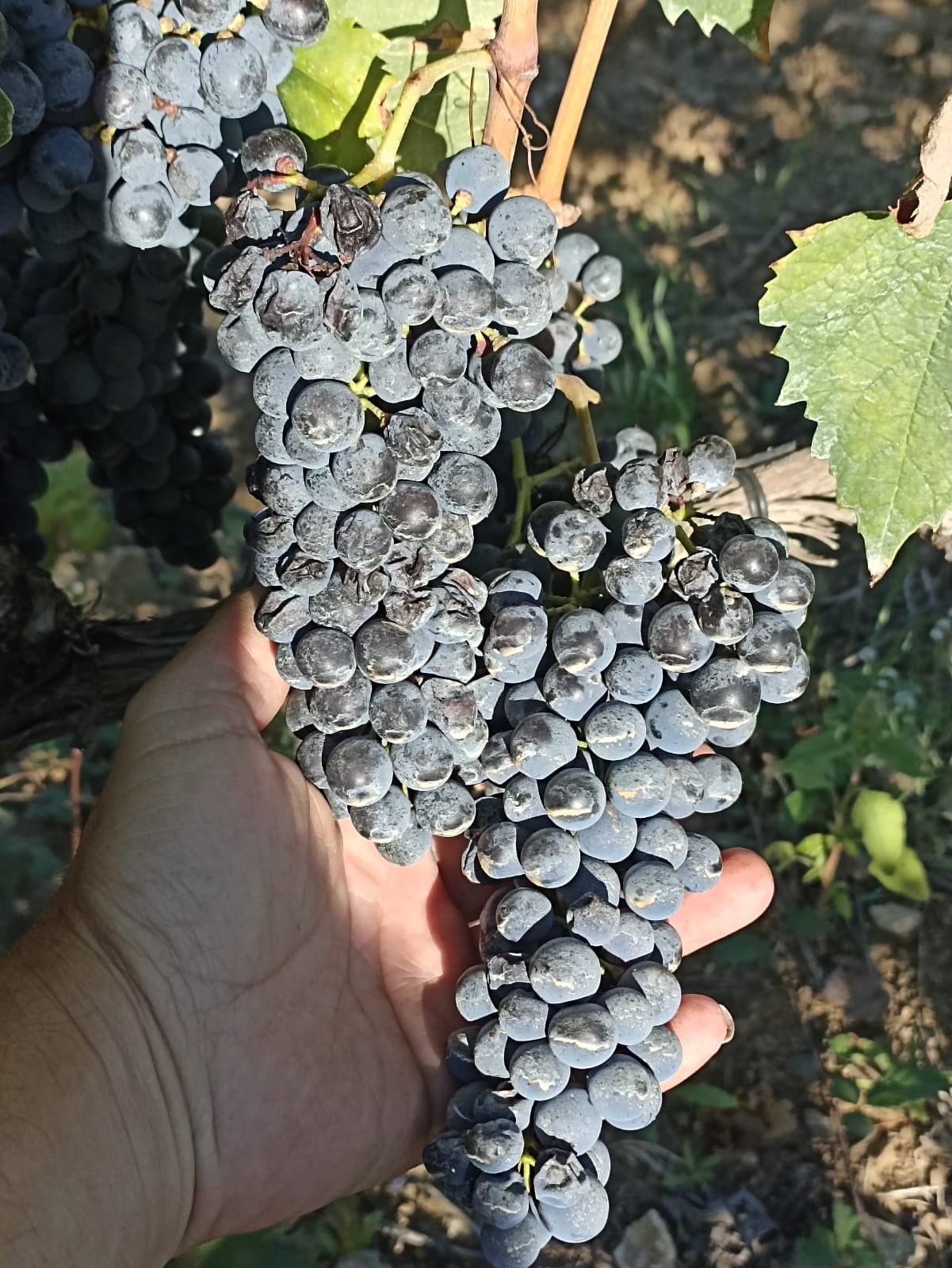
Before planting: how a proprietary vineyard is born in the Val d'Orcia
Summary
- We're moving forward with the order of barbatelle—young vine plants—that will give final shape to our proprietary clone vineyard. It's a moment that invites us to share with you something every future partner wants to understand: how a vineyard is born, what decisions are made, and how long it takes until that work becomes the first glass.
- The 2023 vintage of Monasterio and 2024 vintage of Prologo have been bottled.
- The olive harvest report arrived showing quality and flavor with a decrease in the quantity of product obtained compared to 2025.
What is a barbatella and why is it ordered months in advance
The barbatella is a young vine plant, ready to transplant to the field. It's produced in specialized nurseries by grafting the desired variety—in our case, Sangiovese—onto a rootstock selected according to the soil and climate of the location. The order is placed months in advance because each plant must grow, take root, and be certified before arriving at the vineyard.
At Oria, the choice of clones and rootstocks is a decision made jointly by agronomist Marco Pierucci and Roberto Cipresso, the winemaker who signs our wines. Nothing is improvised: each barbatella responds to an analysis of the terroir of the Montalcino area, in the Val d'Orcia.
How long does it take for a vineyard to produce its first wine
From planting to the first commercial harvest usually takes between three and five years, depending on the vigor of the plant, the climate, and agronomic management. During that time, the vine develops its root system, adapts to the soil, and begins to produce clusters that, at first, are discarded or harvested in very small quantities.
Patience is part of the craft: a young vineyard needs time to express the character of the place. That's what makes each bottle tell a story of soil, climate, and care.
What does terroir decide and what does the winemaker's hand decide
Terroir—soil, climate, altitude, orientation—defines the potential profile of the wine. In the Val d'Orcia, the clay soils and Mediterranean climate with continental influence give Sangiovese structure, freshness, and longevity.
But terroir only proposes; the one who decides is the winemaker. Roberto Cipresso, with more than three decades of experience in the Montalcino area, translates that proposal into concrete decisions: when to harvest, how to vinify, how much time in barrel. The combination of terroir and experience is what makes Oria wine unique.
How we accompany you during the process
Being part of Oria isn't just about having a vineyard: it's being part of every decision, with transparency and accompaniment. From the choice of barbatelle to the first bottle, each partner knows the calendar, the reasons behind each step, and the team that makes it possible.
In addition, the agriturismo opens its doors for you to experience the vineyard firsthand: walk among the vines, participate in the harvest, share the table with other partners. Because what we're building in the Val d'Orcia is not just a viticultural project, but a community with roots.
Novedades en Oria
- We're moving forward with the order of barbatelle—young vine plants—that will give final shape to our proprietary clone vineyard. It's a moment that invites us to share with you something every future partner wants to understand: how a vineyard is born, what decisions are made, and how long it takes until that work becomes the first glass.
- The 2023 vintage of Monasterio and 2024 vintage of Prologo have been bottled.
- The olive harvest report arrived showing quality and flavor with a decrease in the quantity of product obtained compared to 2025.
Tendencias
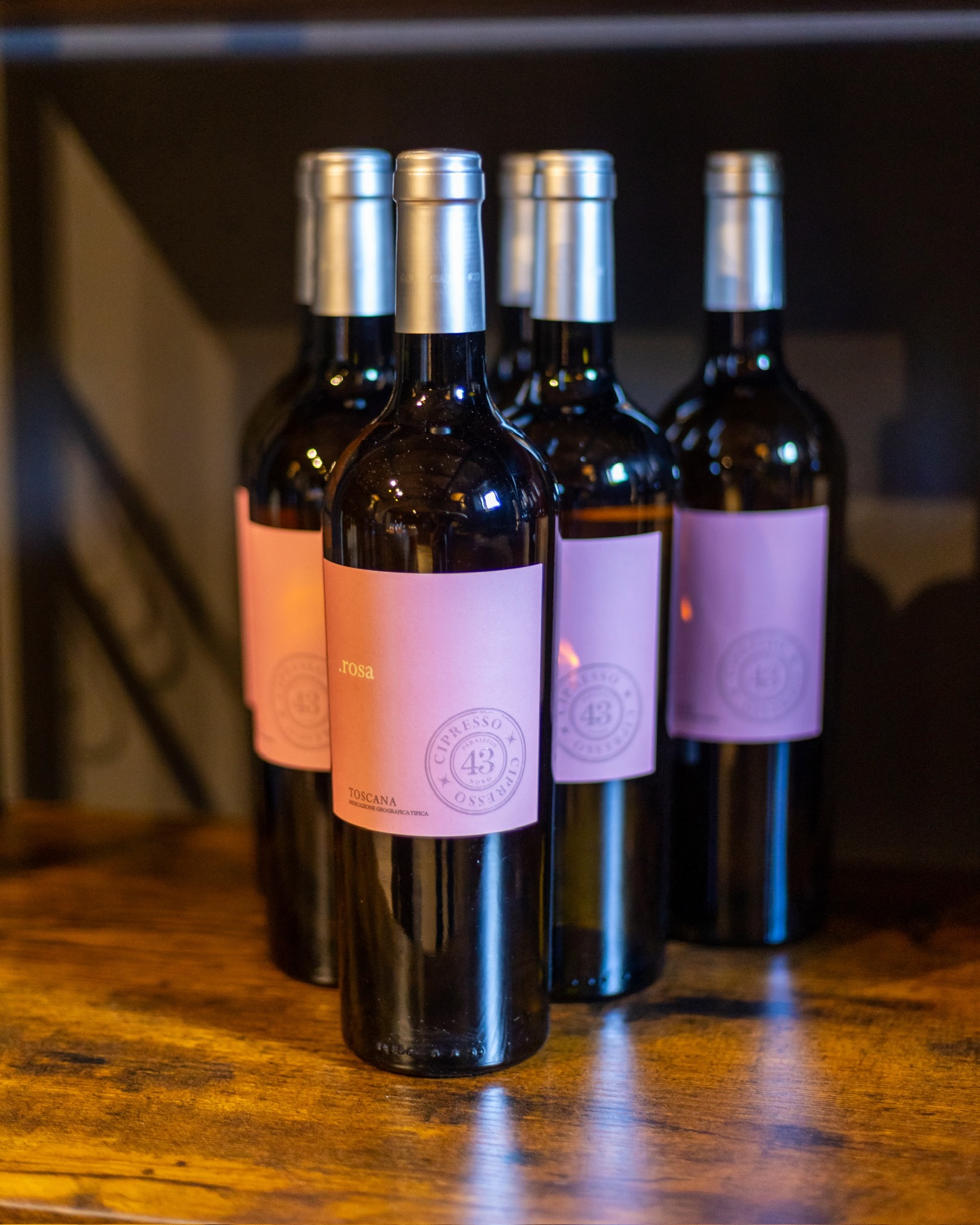
You sell fewer bottles, but each one is worth more: wine premiumization
Global wine consumption is declining in volume, but sales value is holding in the premium and ultra-premium segment. Consumers are buying less, but better: they seek origin, story, and quality.
Fuente: IWSR
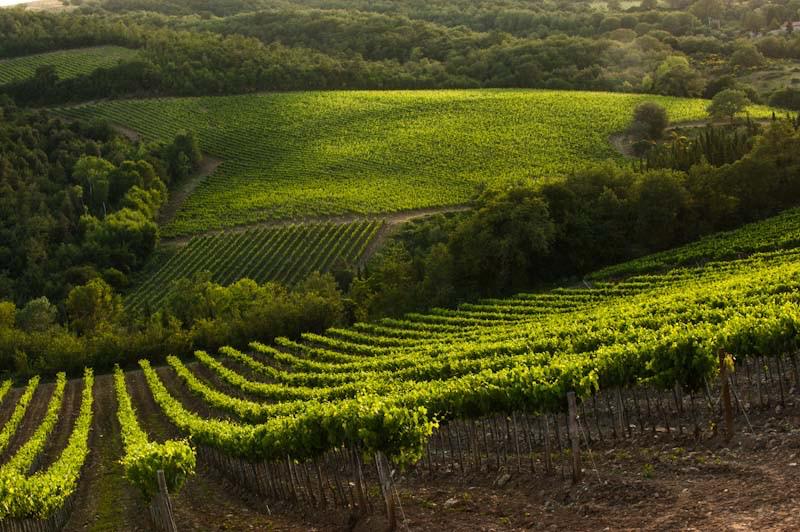
Is owning a vineyard a good idea? What Knight Frank says in 2026
The appeal of investing in a vineyard is no longer just the land: it's the brand, hospitality, and wine tourism. Vineyards that combine production with experience and community are redefining the concept of wine investment.
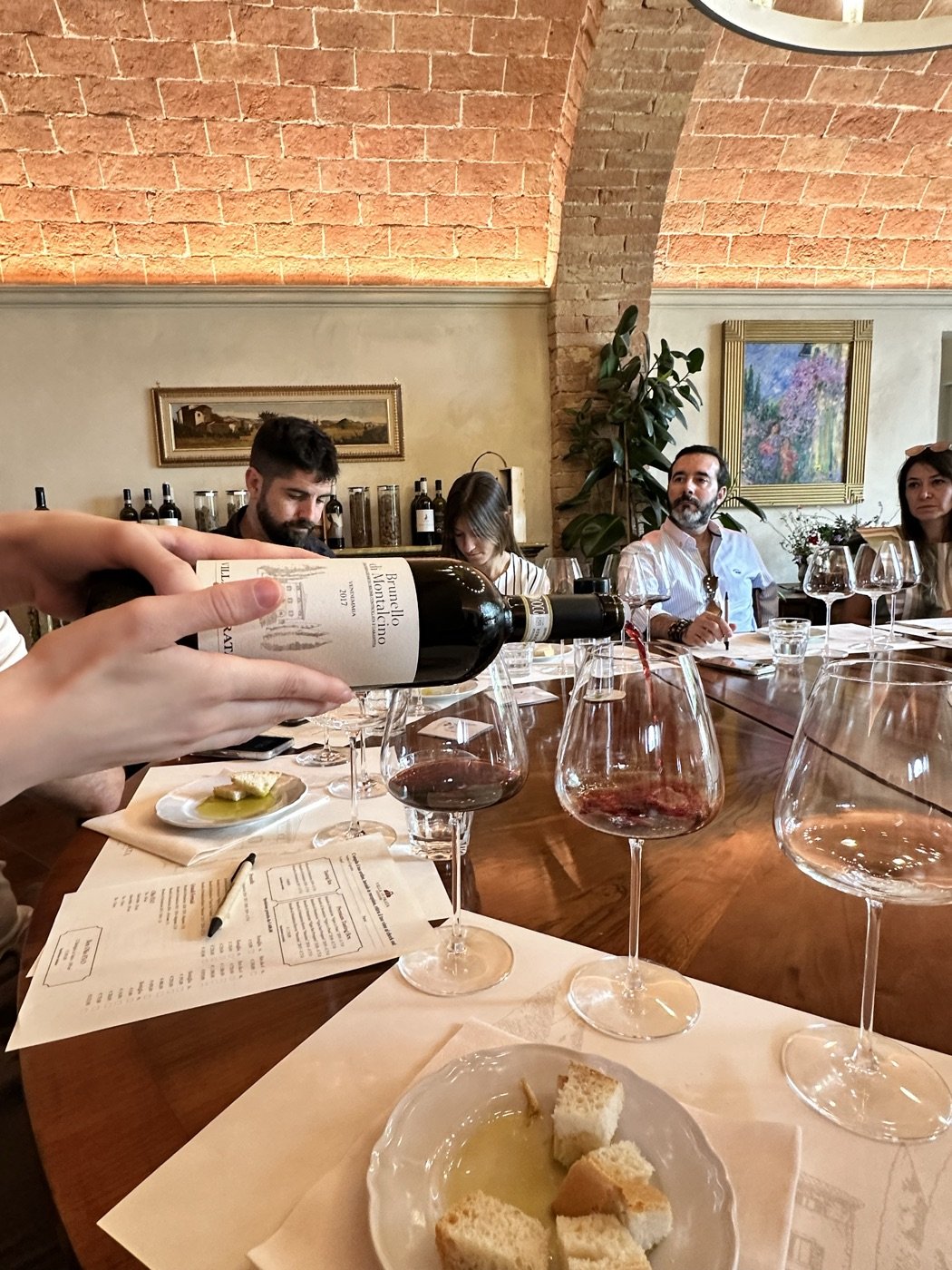
Wine clubs: from subscription to community
Direct sales and wine clubs represent more than half of sales for many wineries. The best clubs are no longer just catalogs: they're communities with access, conversation, and belonging.
Fuente: Wine Business Monthly

Wine clubs evolve from subscriptions to 'membership ecosystems' to retain members
Nearly 40% of wine club members cancel in the first year; successful wineries (with retention >85%) are transforming their clubs from transactional programs to true membership communities.
Fuente: Wine Sales Symposium
Fractional vineyard ownership models are democratizing wine investment
Fractional ownership platforms now enable authentic vineyard ownership experiences from €60,000, when traditionally over $2 million was required, eliminating traditional operational barriers.
Fuente: Clos Cien
Seguí leyendo
- Todas las ediciones de Oria Oggi
El archivo vivo de Oria Oggi. - What is terroir?
The foundation for understanding where wine is born and why each place gives it a unique character. - Strinto, Porcino and the origin of Sangiovese
The story of the grape we plant at Oria and its deep connection with Tuscany. - Terroir of the Val d'Orcia
Learn about the soil, climate, and geography that define the character of our wines. - Being part
Discover how you can be part of Oria: memberships, proprietary vineyard, and community.
Want to know how to be part?
Hablar con OriaPublicado en Oria Oggi, el newsletter de Oria Toscana · 27 de noviembre de 2026.