HERITAGE · JUNE 2026
A country that protects
its cuisine by law
By Martín Iglesias · June 10, 2026 · 6 min read
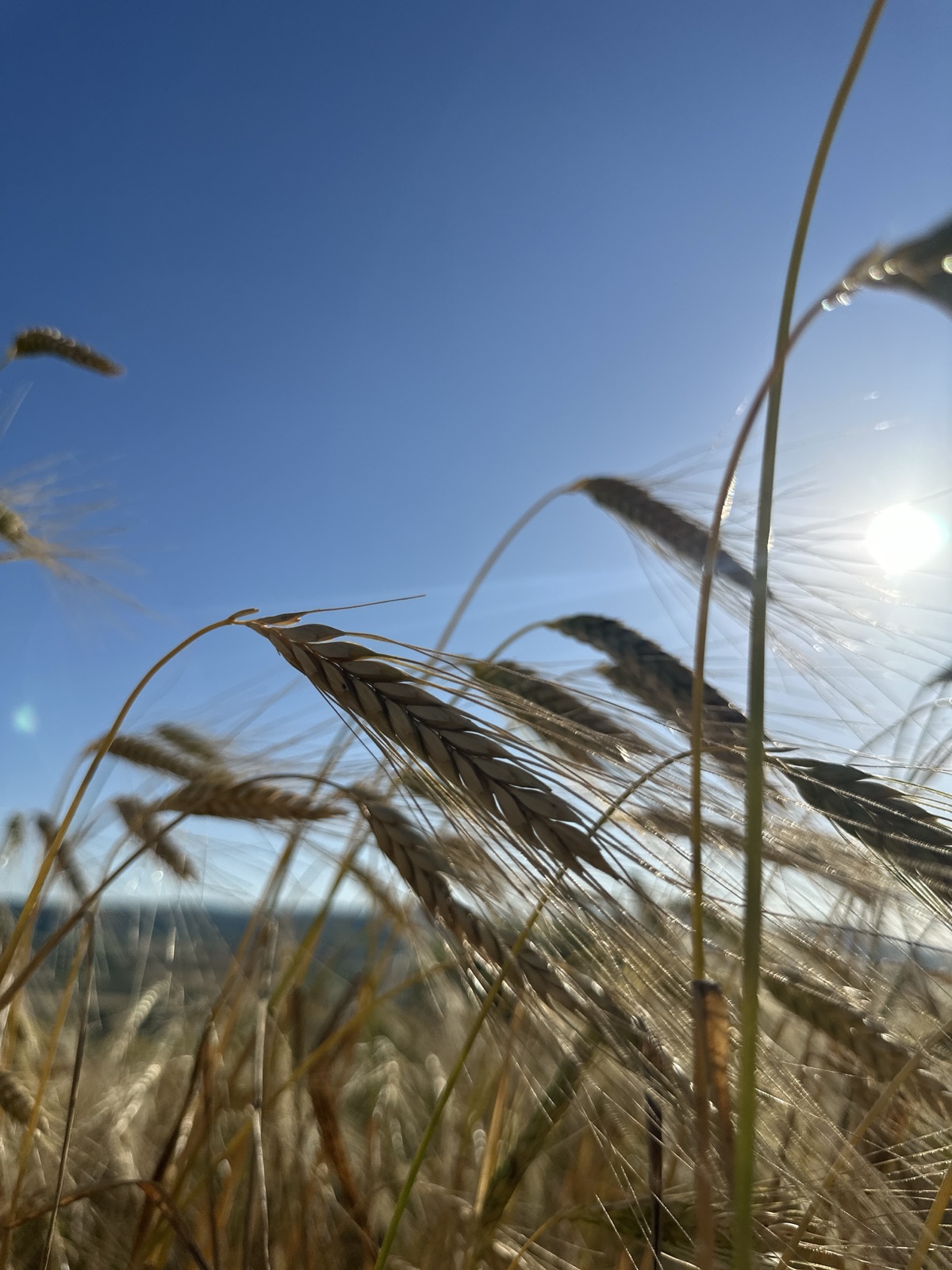
Some countries protect their borders. Italy, in addition, protects its table. And to understand why, you have to go back to the very origin of its civilisation.
Rome was built on grain
The wheat that arrived from Sicily and the Mediterranean fed the most powerful city of the ancient world; bread was a matter of State, and the Mediterranean triad —wheat, vine and olive— was not just agriculture: it was the very order of life. Eating well and living well were, even then, the same thing.
Florence: the table turned into art
Centuries later, Florence elevated that idea to art. In the city of the Renaissance, the table became culture: the banquets of the Medici were architecture, music and cuisine all at once. When Caterina de' Medici left for France in 1533, she took her Florentine cooks with her —and with them, the refinement that would transform European gastronomy.
And it was also in Florence that, in 1891, Pellegrino Artusi published La scienza in cucina e l'arte di mangiar bene: the book that unified the regional cuisines of a newly born Italy, even before Italian was the language of all. Italy became a nation, in good measure, around the table.
The hunger that taught how to care
But this story also knew hunger. The wars of the twentieth century emptied the pantries and taught entire generations the sacred value of every grain, of every drop of oil. From that scarcity was born the cucina povera: the wisdom of transforming the little into the extraordinary.
And millions of Italians who left —for America, for Argentina, for the world— carried in their suitcase the only thing that could not be confiscated: nonna's recipes. Italian cuisine became universal precisely because it was the luggage of those who lost everything.
That is why, when Italy legislates on its food, it is not regulating a product. It is protecting a memory.
Four dates, one single idea
1967. Law 580 establishes something that anywhere else in the world would sound excessive: in Italy, dried pasta can only be made with durum wheat semolina. No soft wheats, no blends, no industrial shortcuts. It is the so-called "pasta purity law", and it has been in force for almost sixty years. It is not a technical standard: it is a declaration of identity.
2016. Italy bans the use of glyphosate in wheat pre-harvest —the practice of chemically desiccating the grain to speed up threshing, common among other major world producers. Italian durum wheat ripens in the sun, not in herbicide. A difference you cannot see on the label, but you can feel on the plate.
2023. Law 172 bans the production and marketing of synthetic meat on Italian territory. Beyond the scientific debate, the message is unequivocal: Italian food is born from the land, from the animals, from the seasons and from the hands that work it. Not from a bioreactor.
2025. UNESCO inscribes Italian cuisine —in its entirety, not a dish, not a technique— on the List of the Intangible Cultural Heritage of Humanity. It is the first cuisine in the world recognised as a whole. The title of the dossier says it all: "La cucina italiana, tra sostenibilità e diversità bioculturale".
Four dates, one single idea: in Italy, food is heritage before it is product.
What we safeguard at Oria
At Oria we live that idea every day in the Val d'Orcia. When we work with ancient durum wheat —those tall, golden-eared varieties that preceded modern hybrids— we are not indulging in nostalgia: we are safeguarding exactly what those laws protect. A grain that grew without chemical desiccants, milled into semolina as the law of '67 commands, transformed into pasta on the same table where generations learned that cooking is passing on.
"Because pasta was not invented in a factory. It was inherited. And what is inherited is cared for." — Martín Iglesias
🌾 Oria — Val d'Orcia, Tuscany
Where heritage is harvested.
Become part of the heritage of Val d'Orcia
Oria members are custodians of the land, the grain and the wine of a UNESCO territory.
See membership plans