REFLECTION · MAY 2025
Sangiovese and Mindfulness:
The Art of Drinking with Presence
By Roberto Cipresso · May 14, 2025 · 7 min read
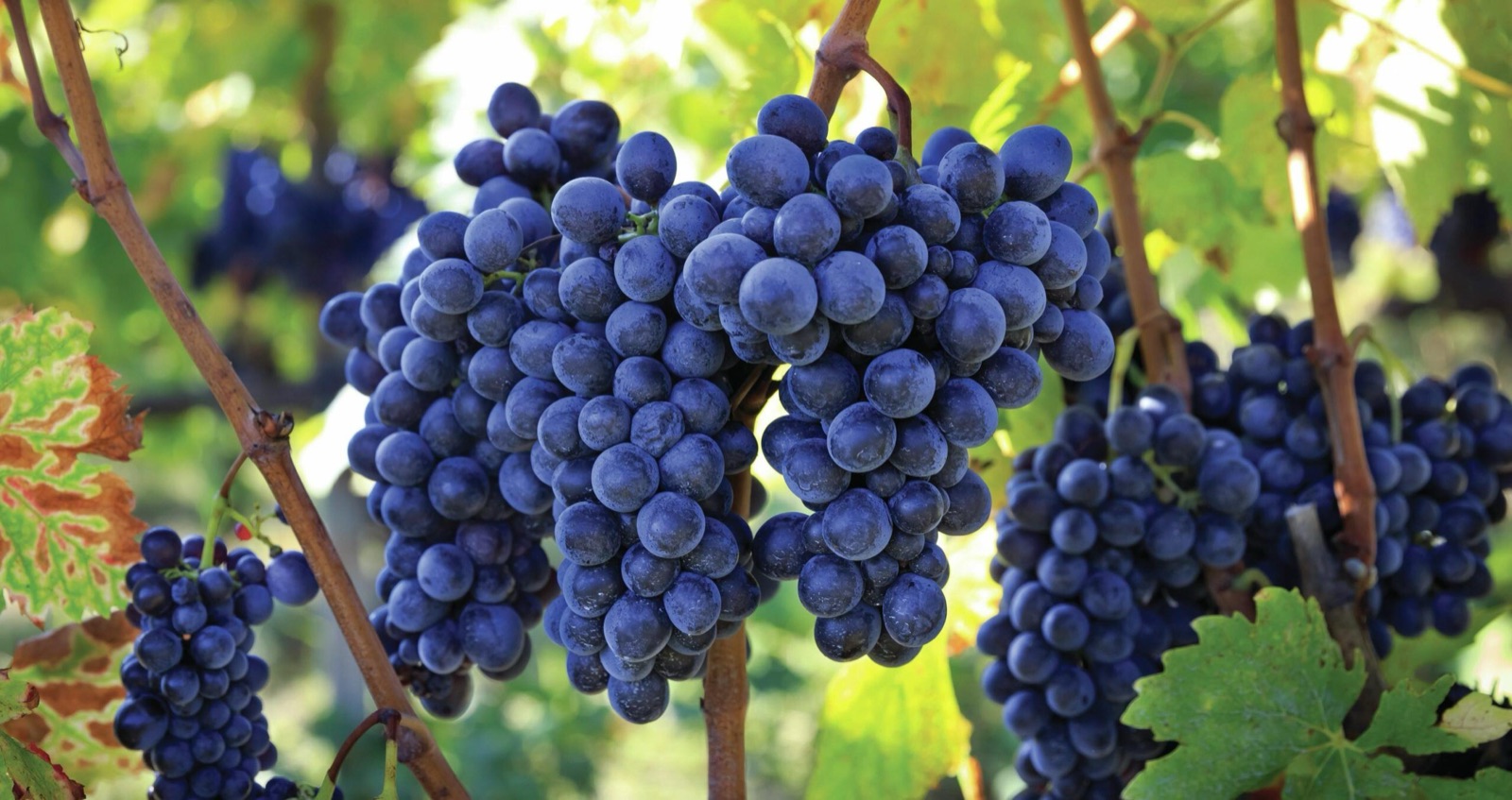
Most people drink wine. Very few taste it. The difference is not in the glass nor in the bottle. It is in the quality of the attention brought to the moment.
I have spent thirty years trying to make wines that deserve attention. Wines that, when someone pours them, something in the aroma, in the color, in the first sensation on the palate compels them to put down the phone, to interrupt the conversation for an instant, to be completely present.
It is not an aesthetic goal. It is, in a certain way, a philosophical one.
Wine as a practice of attention
In the Benedictine monasteries of medieval Tuscany, wine was not simply a drink. It was part of a ritual of conscious attention. The monks who made wine at Montecassino, at Monte Oliveto, at the abbazia di Sant'Antimo — which is twenty minutes from Oria — did so with a deliberation we would today call meditative.
Every decision in the vineyard was also a practice of presence: observing the vine without haste, reading the clusters like texts, understanding when nature was ready and when it still needed time. Italian monastic wine was not the best in the world by chance. It was the best because it was made by people who had trained their capacity for attention as the most important skill.
That is exactly what we today call mindfulness. Although it sounds more ancient when we say it in Latin: atentio.
Why Sangiovese demands more presence than other grapes
There are wines that reveal themselves immediately. A young Malbec, well made, gives you its character in the first ten seconds: dark fruit, body, soft tannins. It is a generous wine, communicative, easy to love.
The Sangiovese of Val d'Orcia does not work that way. It is introverted, at least at first. The first moments in the glass — if the bottle has just been opened — are of closure, of tension, of an acidity that may seem severe if you do not understand it as the backbone of what is to come.
What Sangiovese demands is patience and attention. To wait. To smell again after five minutes. To taste again after ten. To observe how the wine changes as the temperature rises a degree, as contact with the air opens it up, as the secondary aromas — tobacco, leather, spices, damp earth — begin to peek out from beneath the fruit.
A well-made Sangiovese is a conversation that lasts an hour. If you do not have that hour to give it, the wine never gets to say everything it has.
The five-senses exercise
In the tastings I lead with Oria members on the estate, I always propose the same exercise before we begin. There is nothing original about it — the great masters of wine have done it for decades. But it works.
Before serving the wine, I ask them to leave their phones face down on the table. Then I ask for silence for thirty seconds — just thirty — while each person observes the glass in front of them: the color, the transparency, how the wine behaves when the glass is tilted. Only visual, still without smelling.
Then a slow swirl of the glass and the nose for twenty seconds. Only smell. Say nothing. Don't look for words yet. Just receive what arrives.
The first sip: small, letting it travel the whole mouth before swallowing. And then silence for a full minute. Only with the sensation that remains.
What happens in that room during that minute is something that almost never occurs in everyday life: a group of adults completely present, not thinking about the next email, not planning the next sentence. Just there, with the wine.
That is drinking with presence.
The paradox of expensive wine
There is a paradox in the world of premium wine that has taken me a while to understand: the more expensive the wine, the less attention it receives. At a business dinner with a spectacular bottle, the wine is usually a backdrop to conversation. It is served, thanked, commented on in two sentences, and forgotten. It is a symbol of status, not an experience.
The most meaningful wine I have ever drunk in my life was a Brunello from 1988 that I opened alone, in an empty apartment in Siena, during a winter. I had nothing else to do. I had all the time in the world. That wine spoke to me for two hours.
Presence is not bought with the price of the bottle. It is chosen.
"Wine is not drunk with the mouth. It is drunk with all the attention one is capable of. The rest is just hydration." — Roberto Cipresso
The next time you open a bottle of Val d'Orcia Sangiovese — from Oria or any serious producer — give it an hour. Put it in a large glass, wait, return to it. Let it tell you what the galestro, the August sun and years of care put into those grapes. It is a conversation that deserves your full attention.
A tasting with Roberto Cipresso in Val d'Orcia
Quadro members have access to private tastings led by Roberto on the estate.
Talk to Giulia